Define what matters.
Start with the business objective, data sensitivity and constraints. A useful comparison begins with your requirements, not a vendor’s feature list.

INDEPENDENT THINKING / TRACEABLE EVIDENCE
Better AI decisions start with better questions. Make requirements explicit. Keep evidence visible. Know what still needs testing.
A concept workspace. Fictional systems. No live model testing.
01 / A MORE DELIBERATE APPROACH
Not every claim deserves the same confidence. A useful evaluation separates what a system promises from what a team can actually demonstrate.
Start with the business objective, data sensitivity and constraints. A useful comparison begins with your requirements, not a vendor’s feature list.
Connect each claim to a source, test, date and reviewer. Keep limitations and missing information alongside the supporting material.
Bring technical, commercial and governance questions into one conversation. A score should never replace accountable judgment.
02 / TRY THE CONCEPT
Explore how evidence coverage changes with your evaluation lens. All systems and records below are fictional. This is not a product ranking.
Local demonstration only. Nothing is sent or saved to a server.
| Example system | Accuracy | Privacy | Oversight | Coverage* |
|---|
*Coverage is a weighted count of fictional evidence records. “Recorded” is not independently verified and does not establish fitness for use.
03 / THE NAME
Neutral suggests impartial inquiry: consider competing explanations, disclose incentives and resist a predetermined answer.
Intelligence suggests turning information into understanding. Together, the name offers a direction for evidence-focused AI, research or decision-support tools.
A creative brand interpretation, not a claim of bias-free technology or independent certification. Trademark clearance has not been performed.
04 / A WIDER FIELD OF VIEW
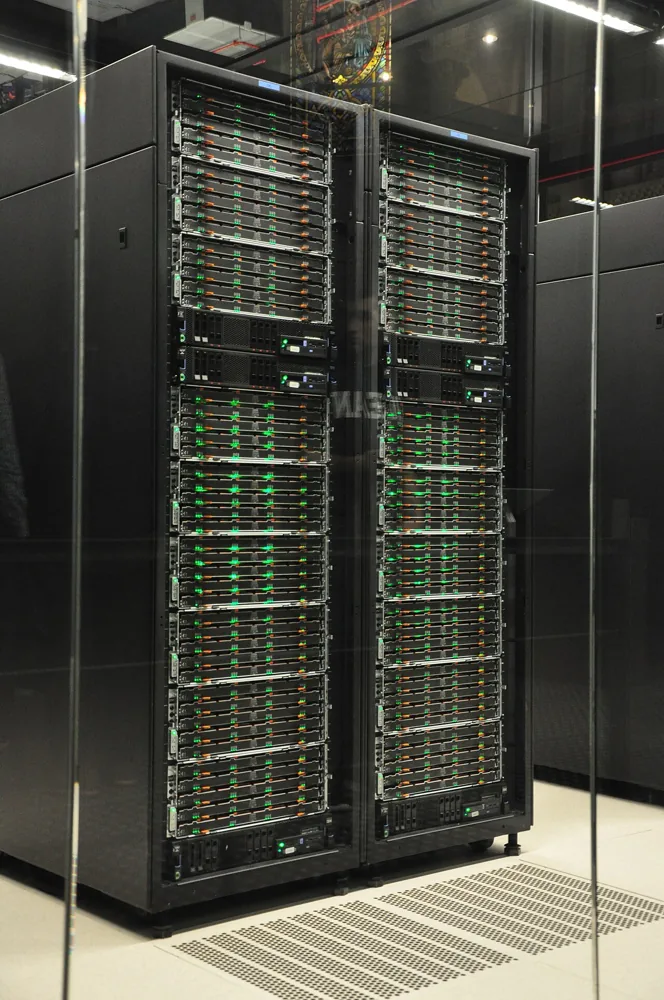
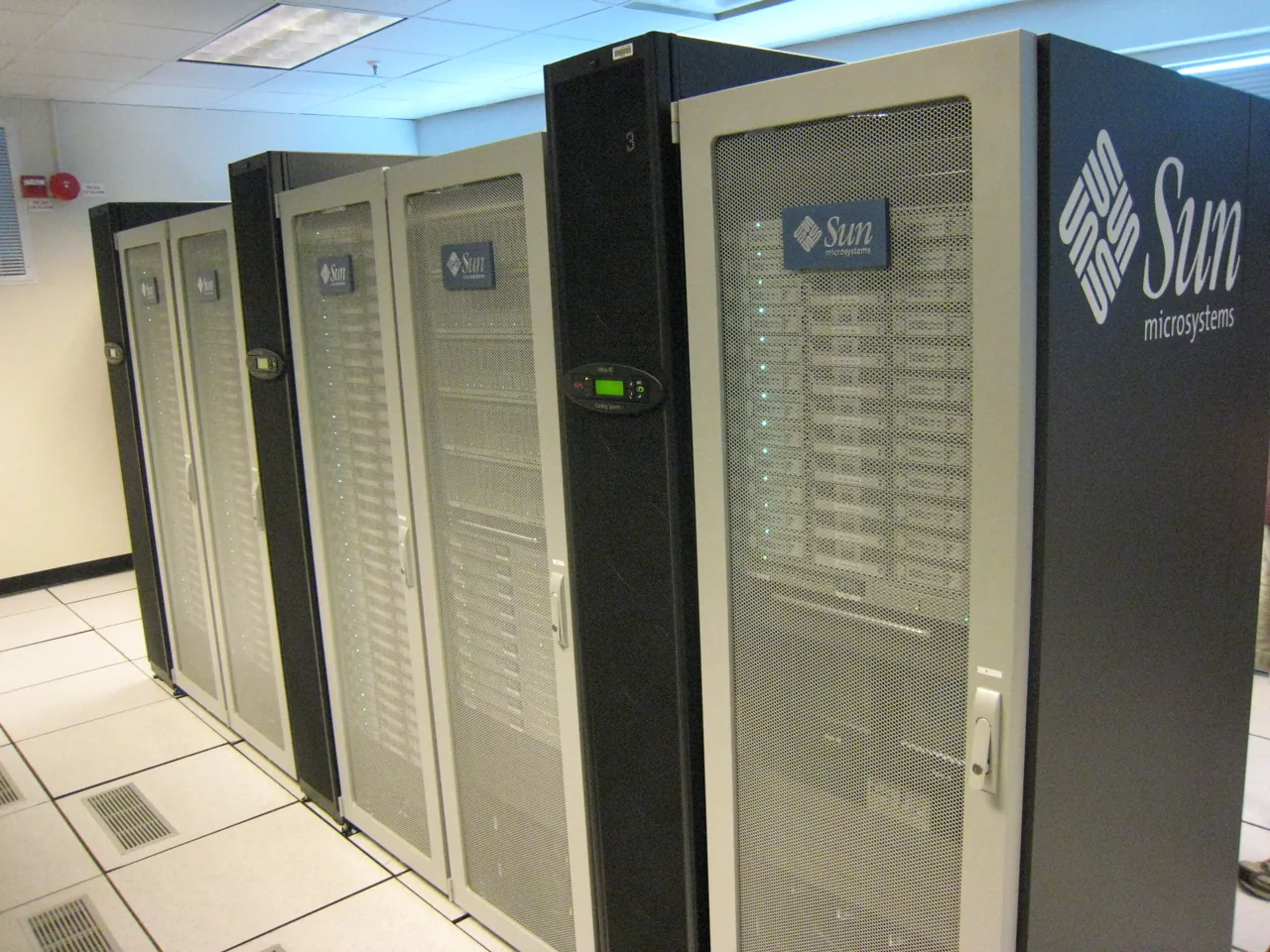
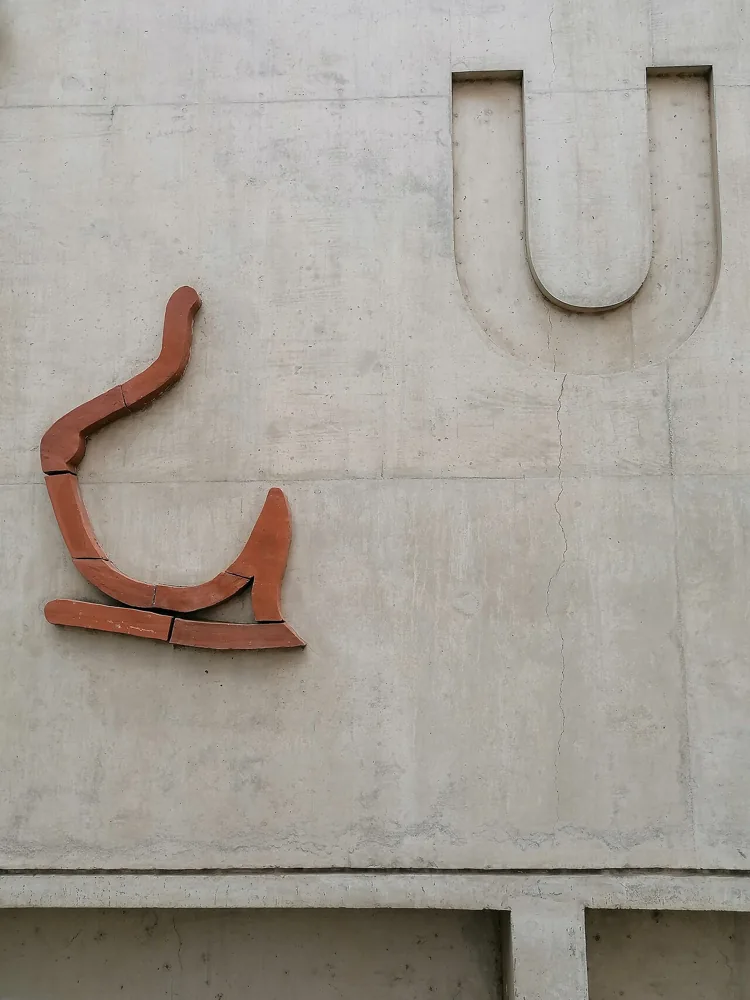
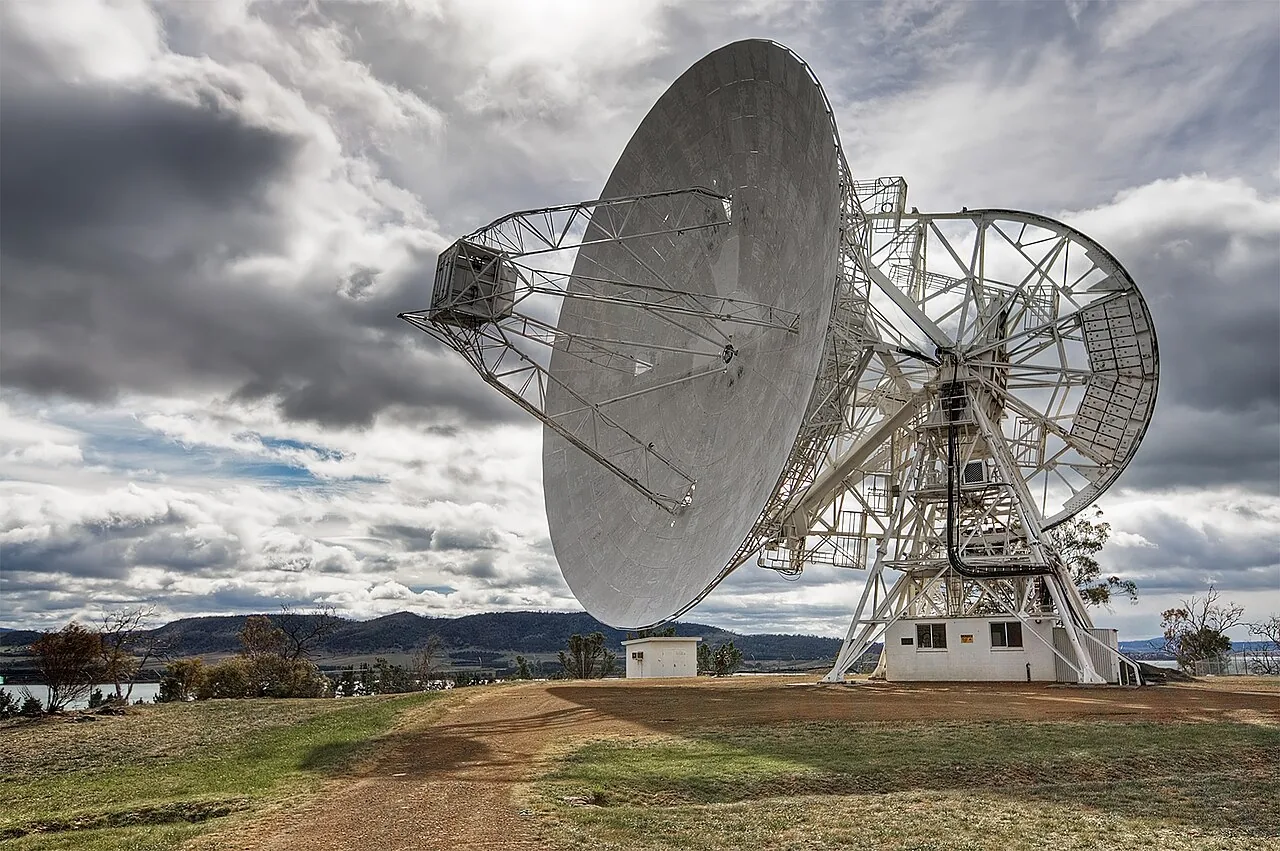
From computing infrastructure to scientific observation, sound decisions depend on how knowledge is produced. Explore thirty visual perspectives on research, evidence and technology.
Openly licensed editorial imagery. These locations, institutions and equipment are illustrative, not affiliated with this concept.
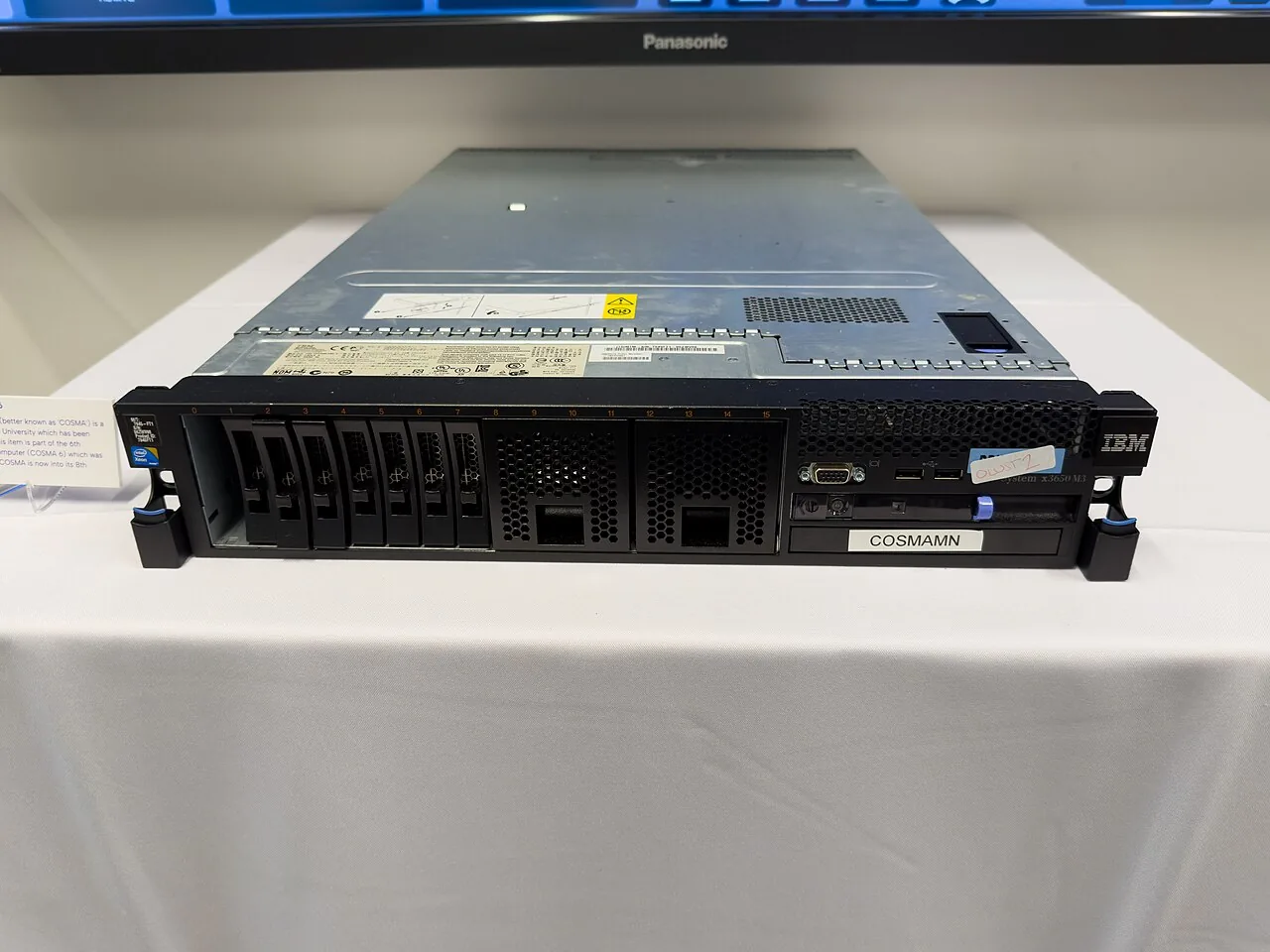
Photograph by Mike Peel (www.mikepeel.net). · CC BY-SA 4.0. Resized to WebP.
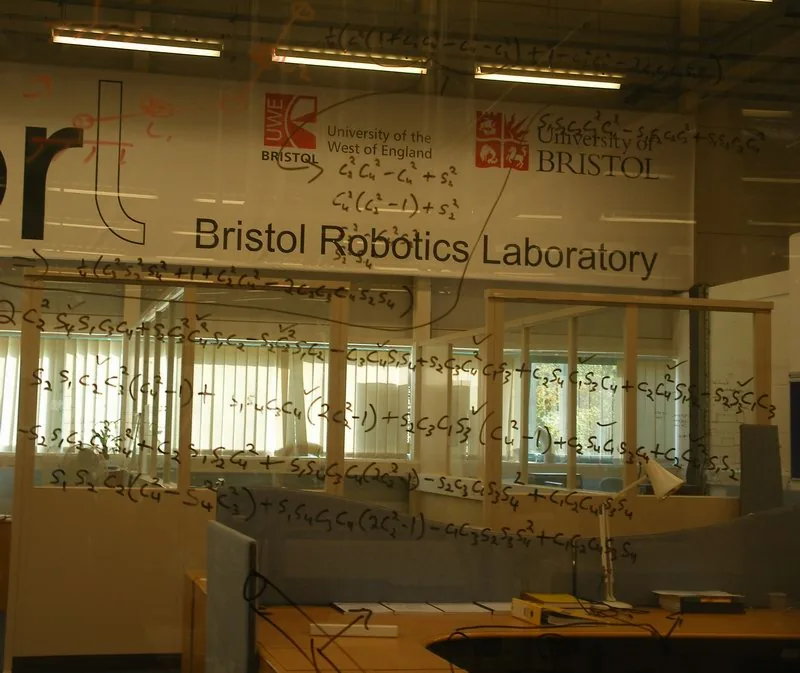
Anders Sandberg from Oxford, UK · CC BY 2.0. Resized to WebP.
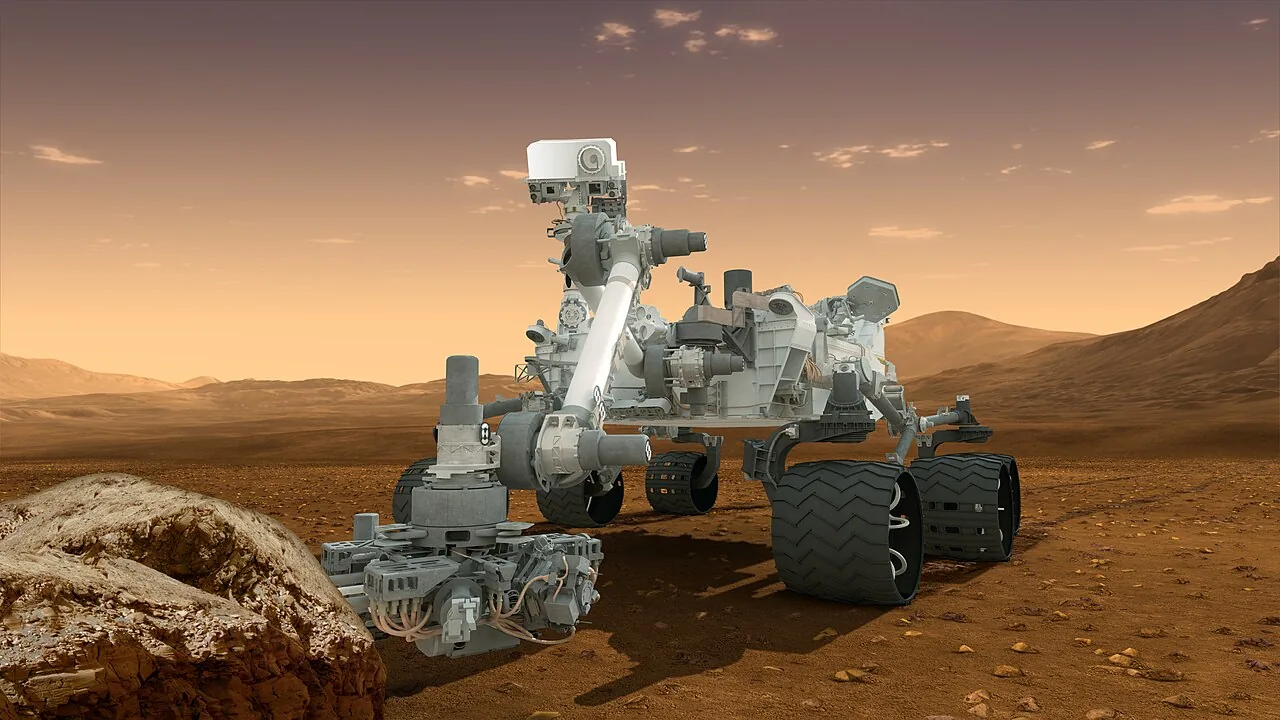
NASA/JPL-Caltech · Public domain. Resized to WebP.
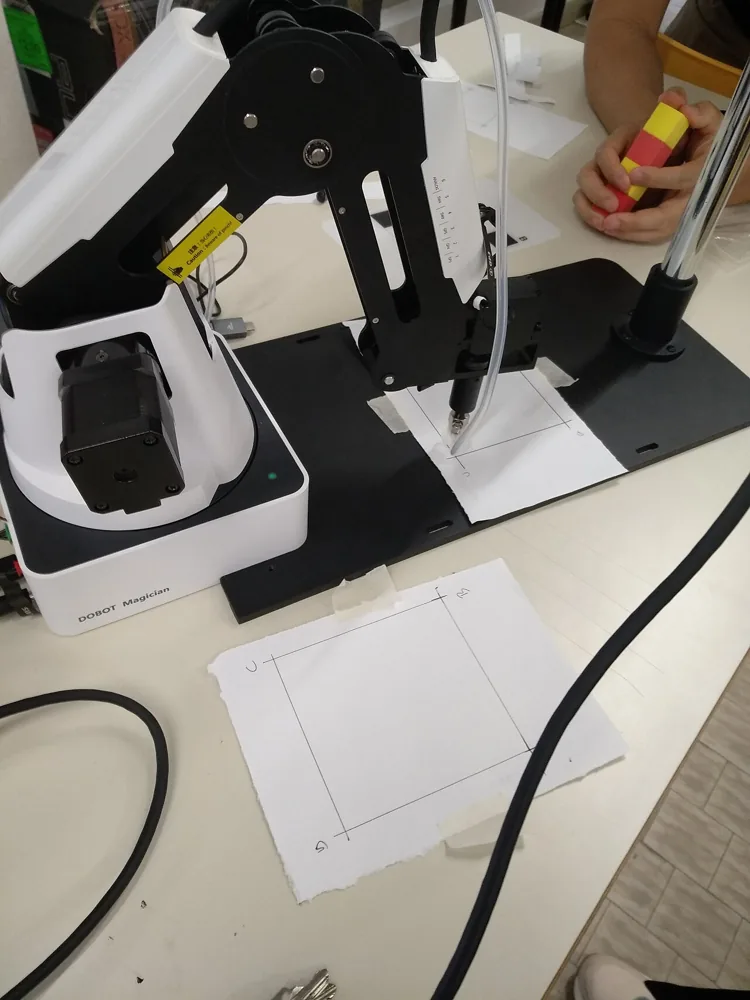
Giacomo Alessandroni · CC BY-SA 4.0. Resized to WebP.
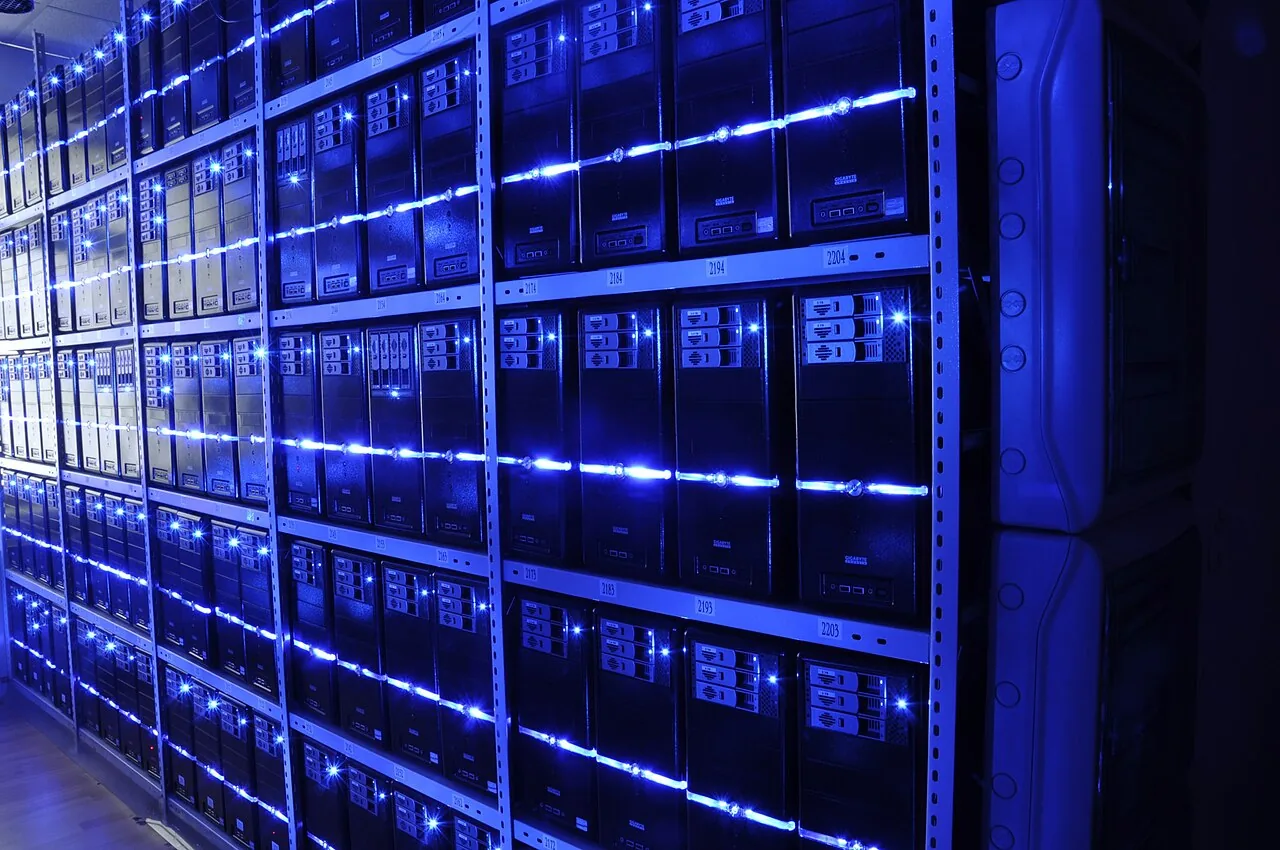
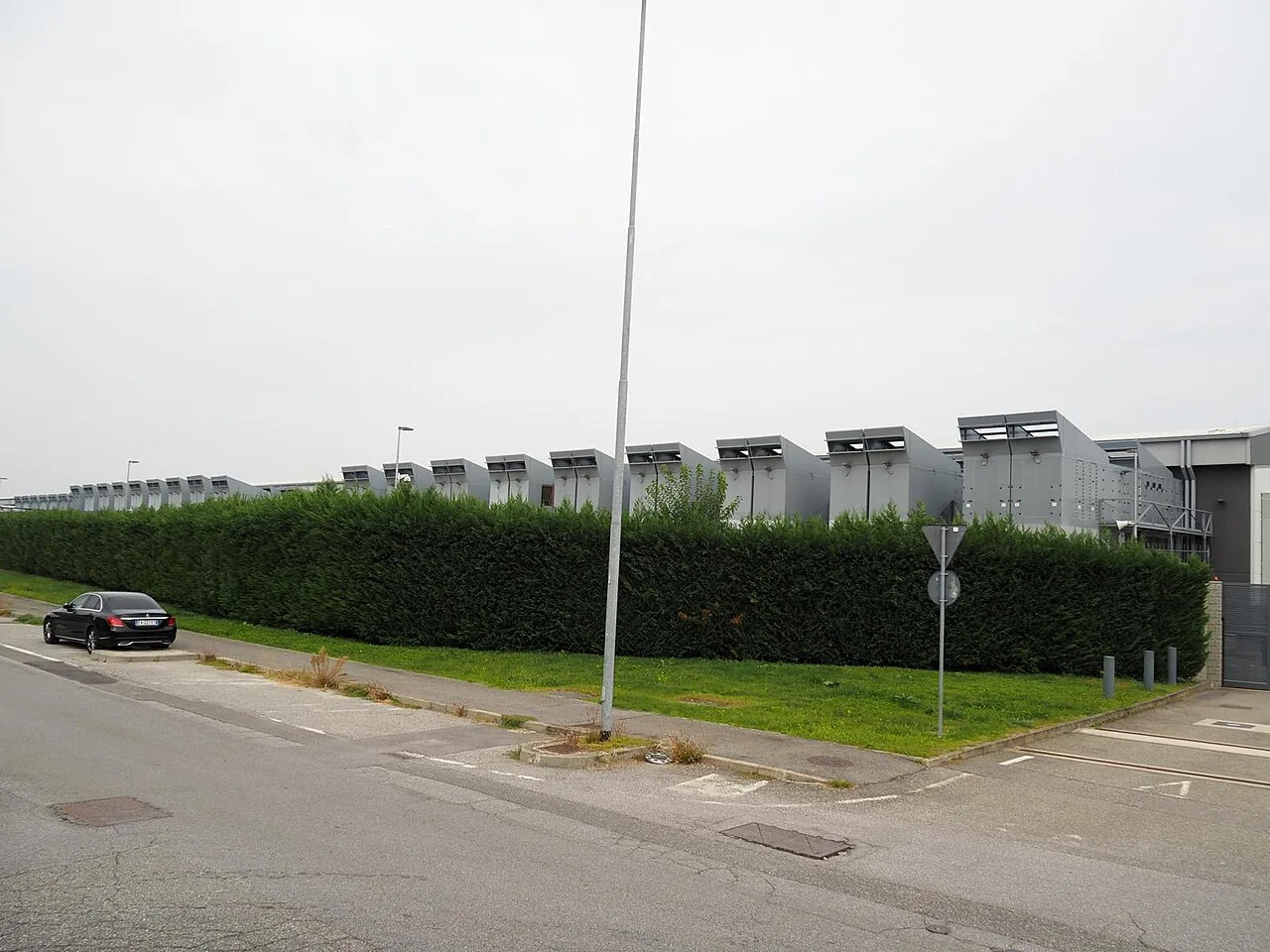
Lapalmauz · CC BY-SA 4.0. Resized to WebP.
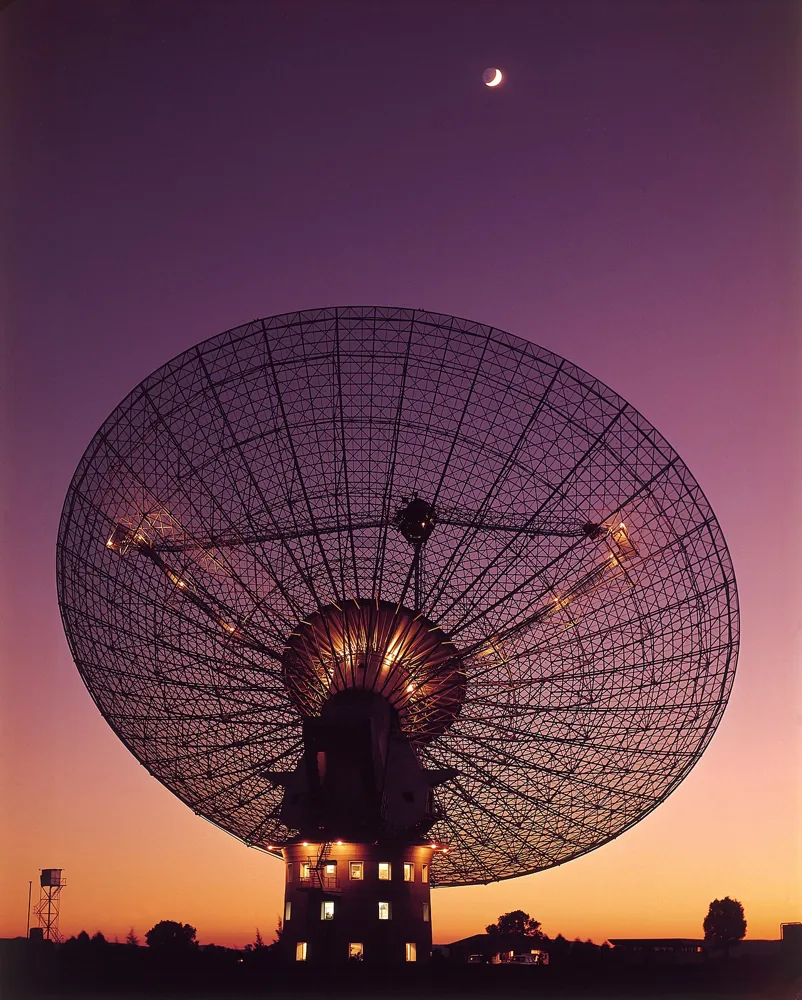
division, CSIRO · CC BY 3.0. Resized to WebP.
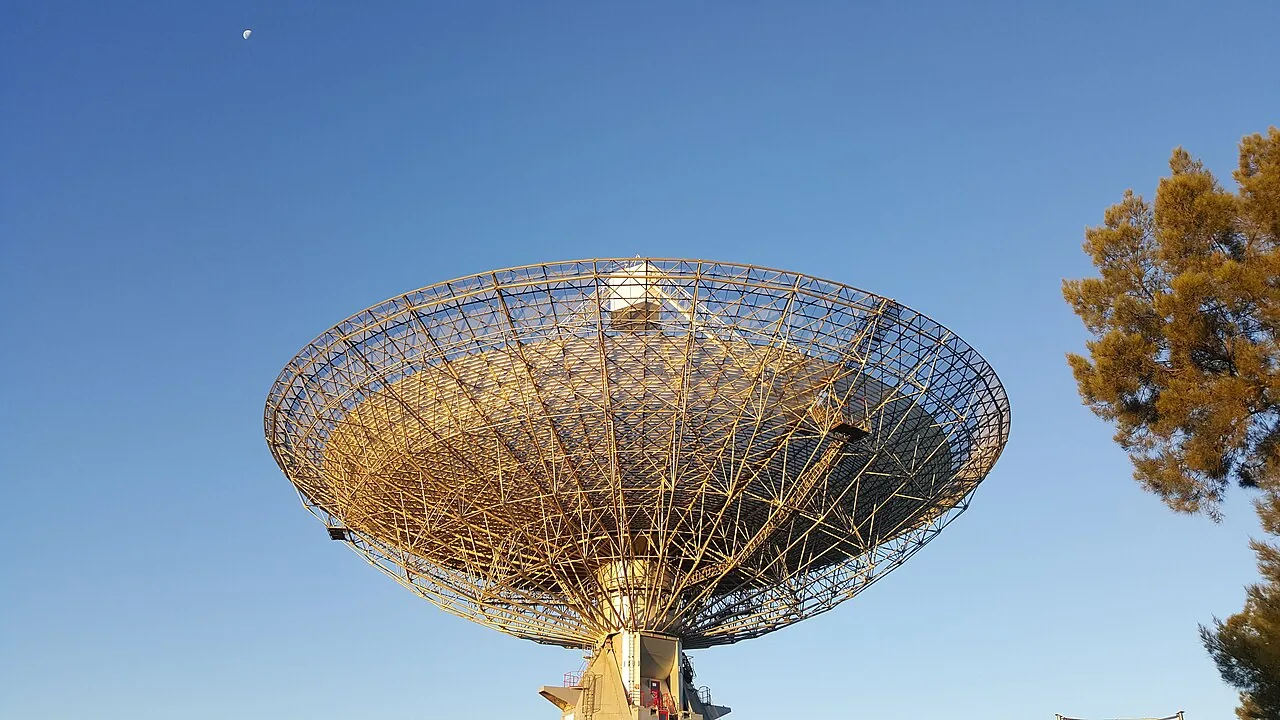
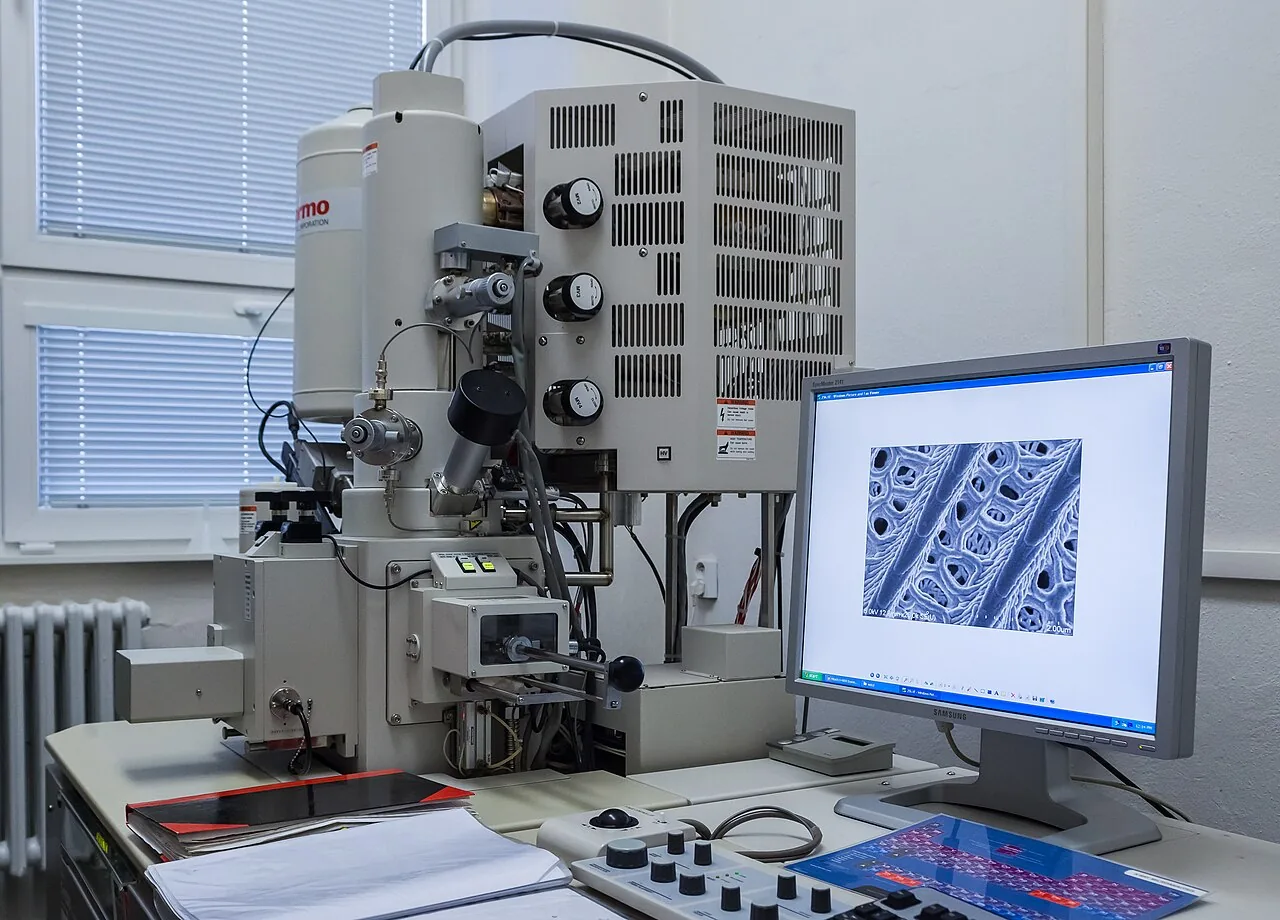
Tadeáš Bednarz · CC BY-SA 4.0. Resized to WebP.
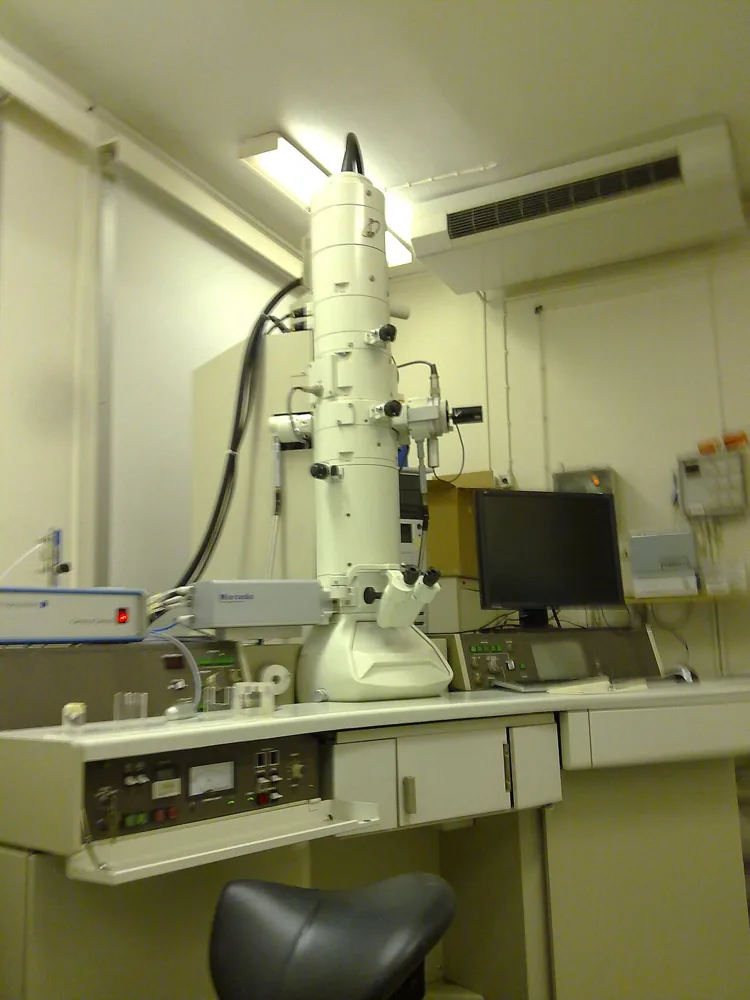
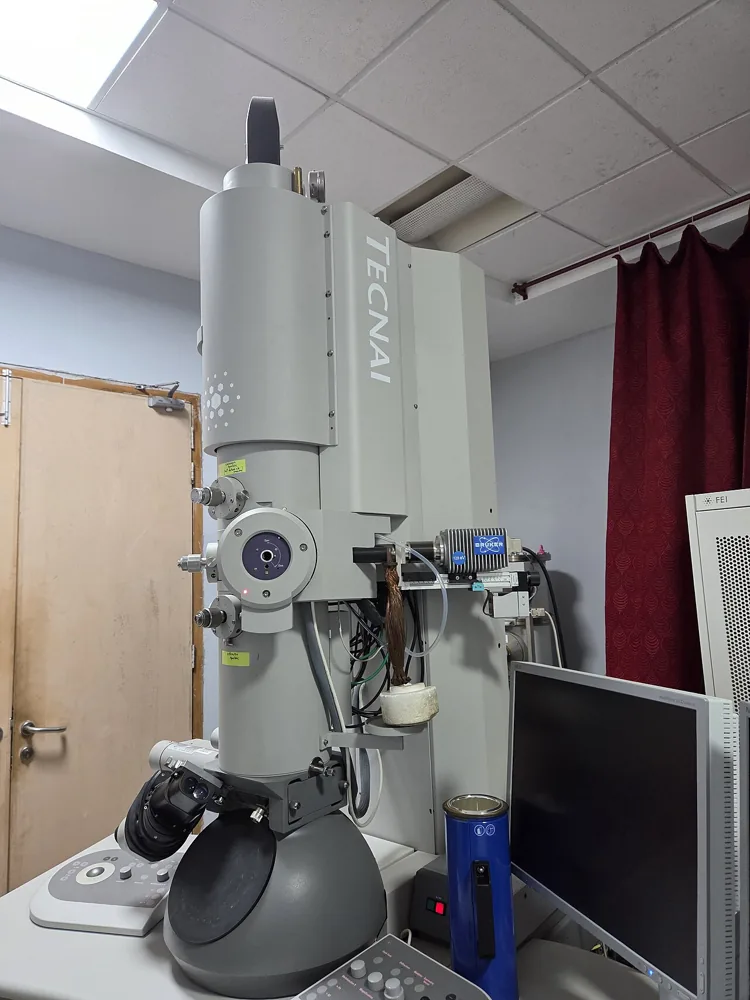
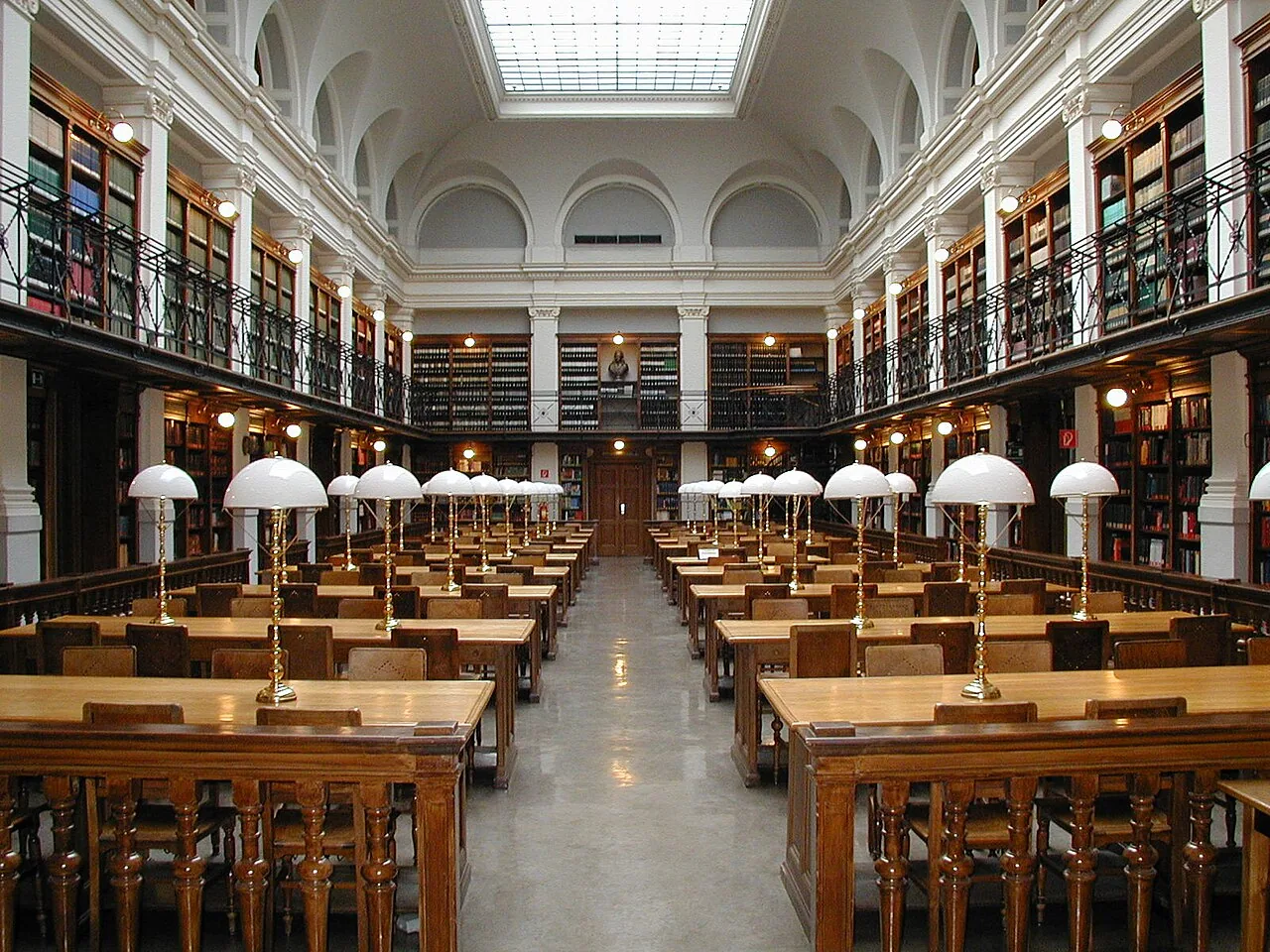
Dr. Marcus Gossler · CC BY-SA 3.0. Resized to WebP.
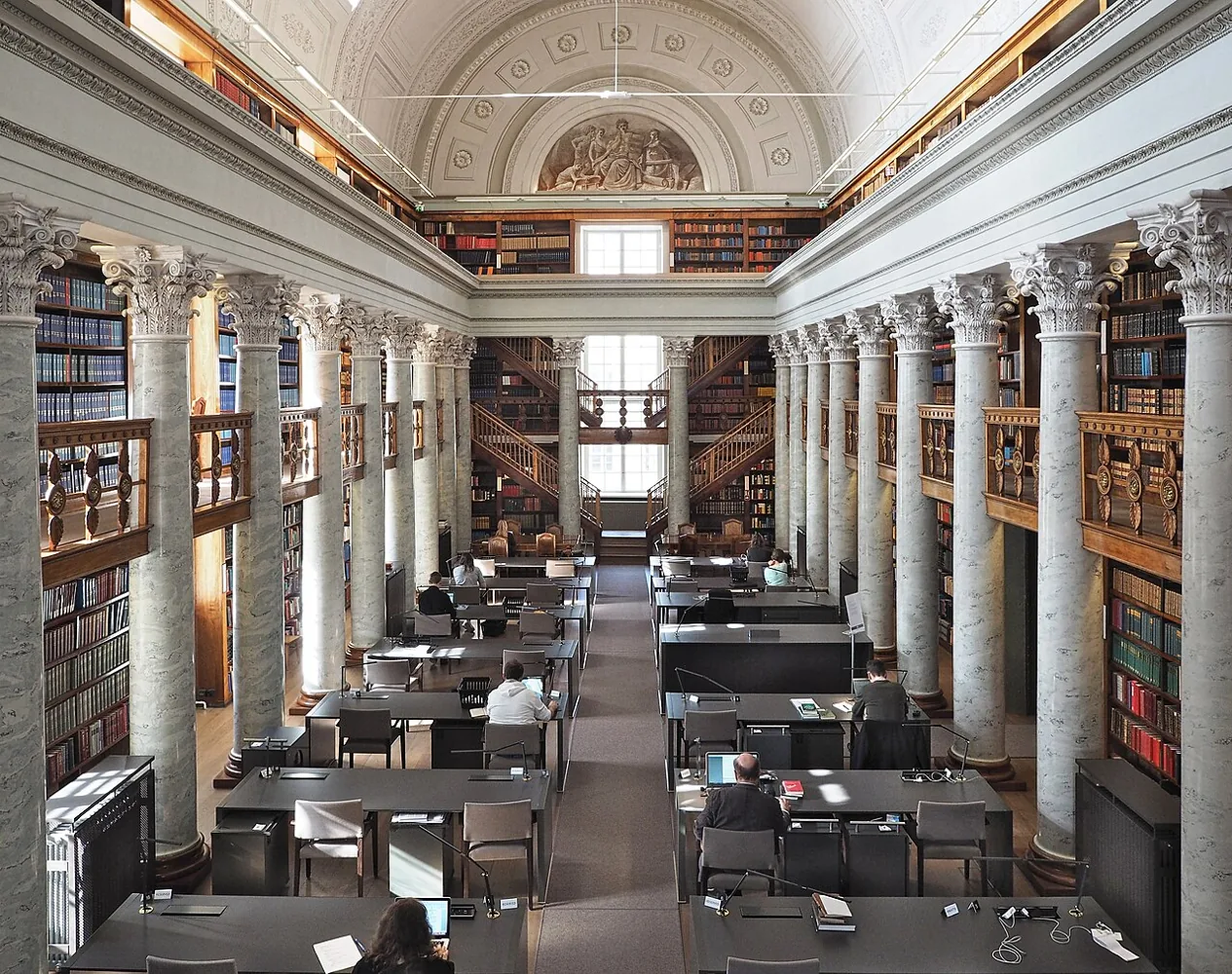
Marit Henriksson · CC BY-SA 4.0. Resized to WebP.
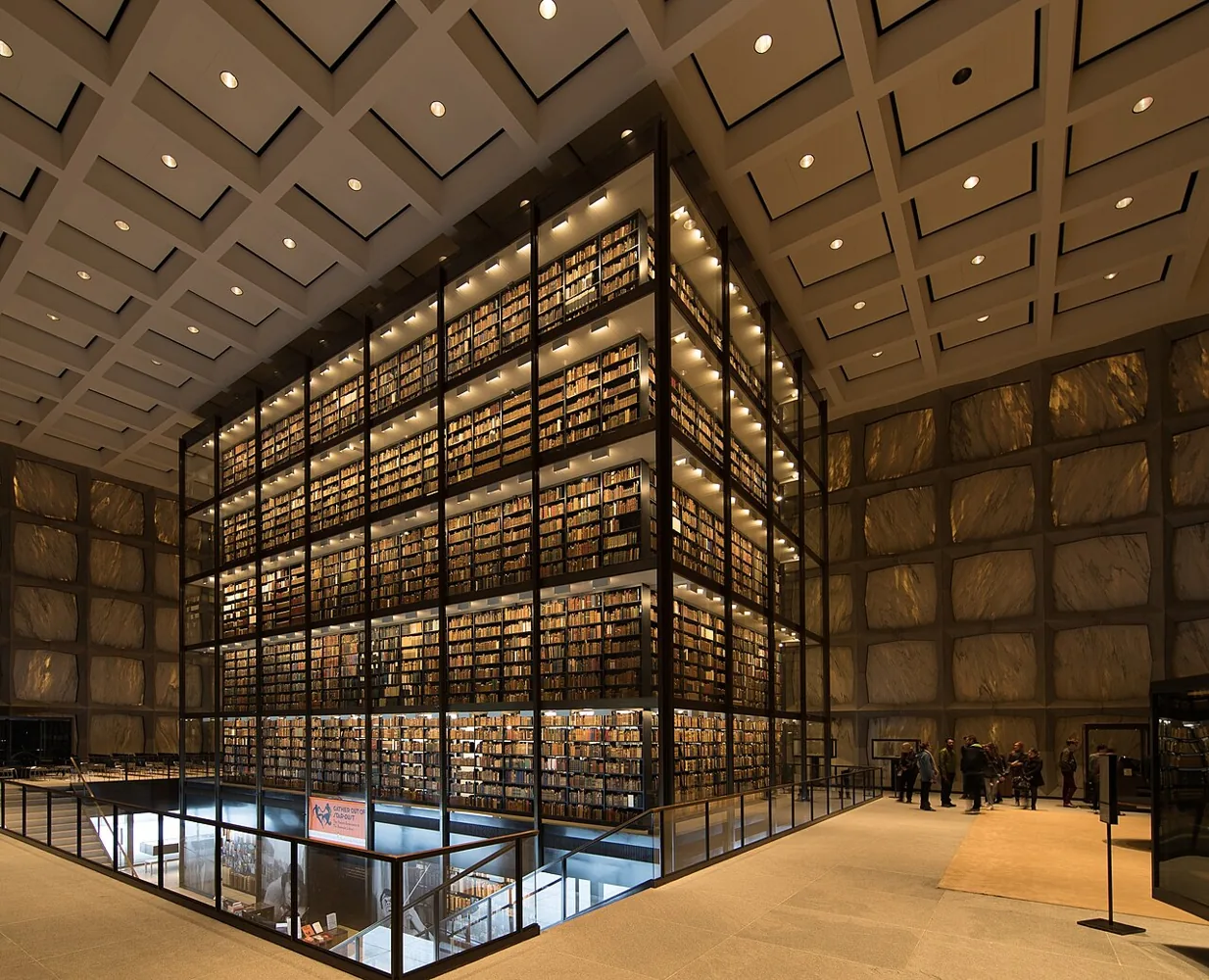
Michael Kastelic · CC BY-SA 4.0. Resized to WebP.
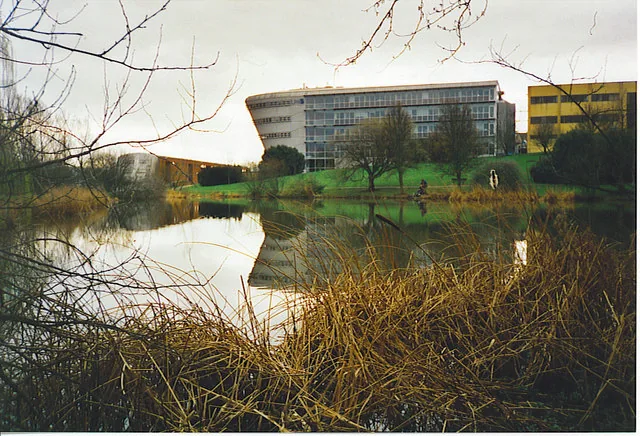
Colin Smith · CC BY-SA 2.0. Resized to WebP.
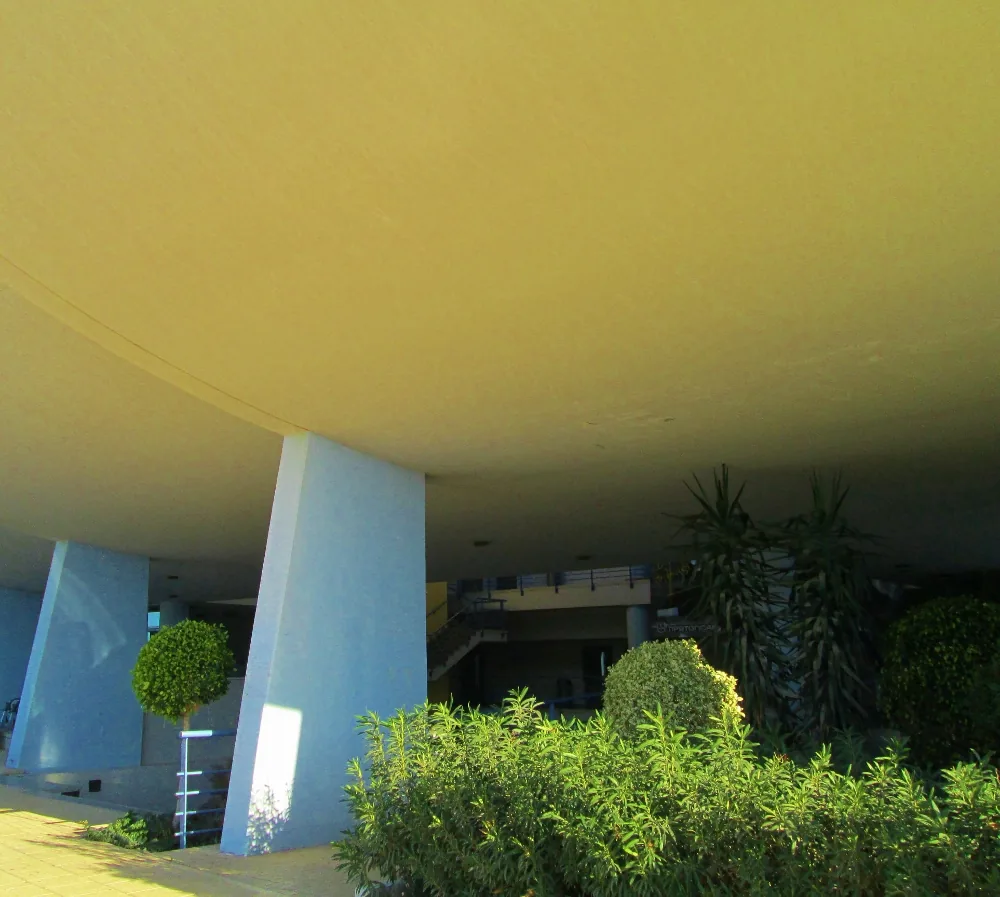
UniversitydeCyprus · CC BY-SA 3.0. Resized to WebP.
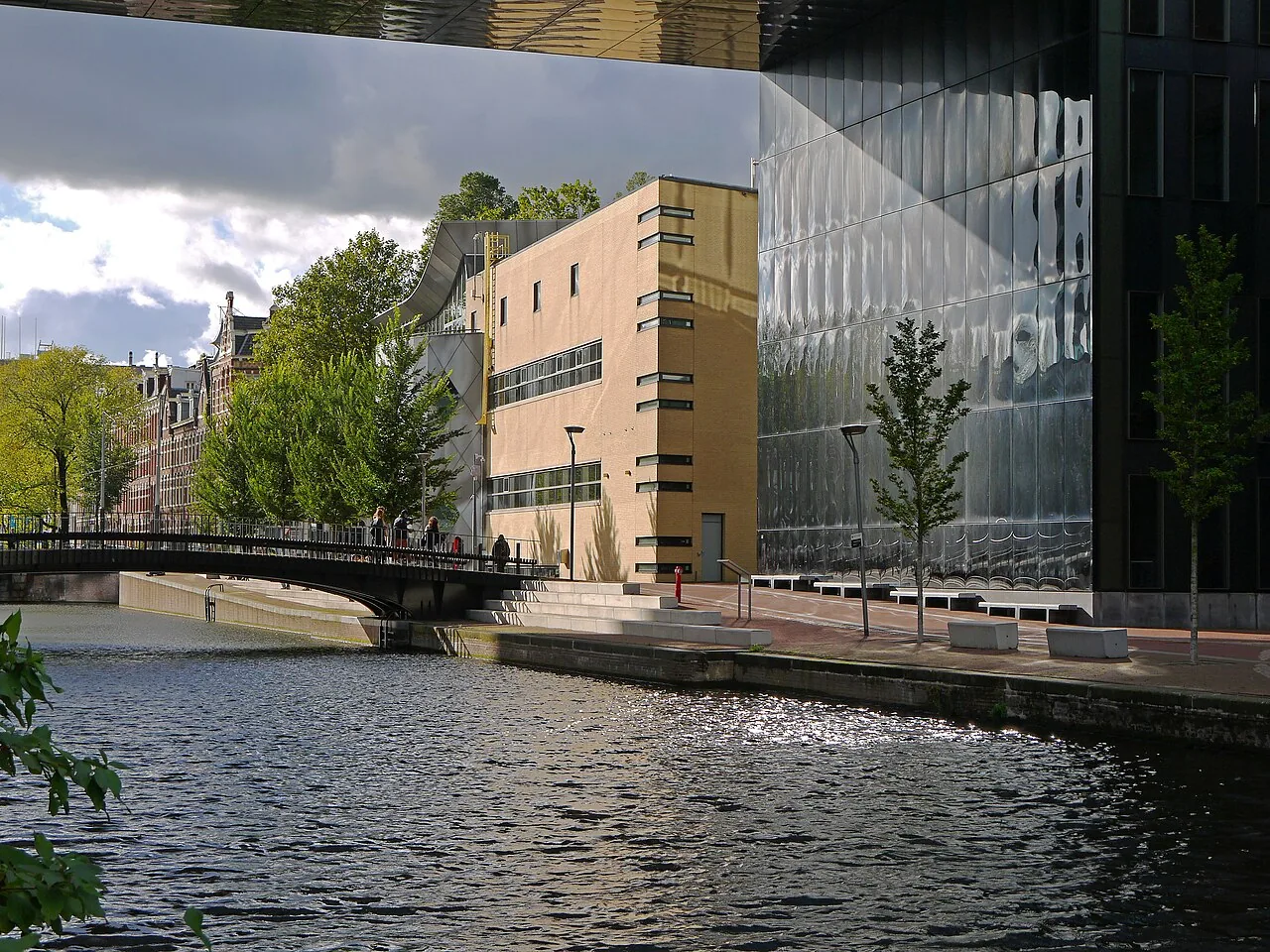
Fons Heijnsbroek · CC0. Resized to WebP.
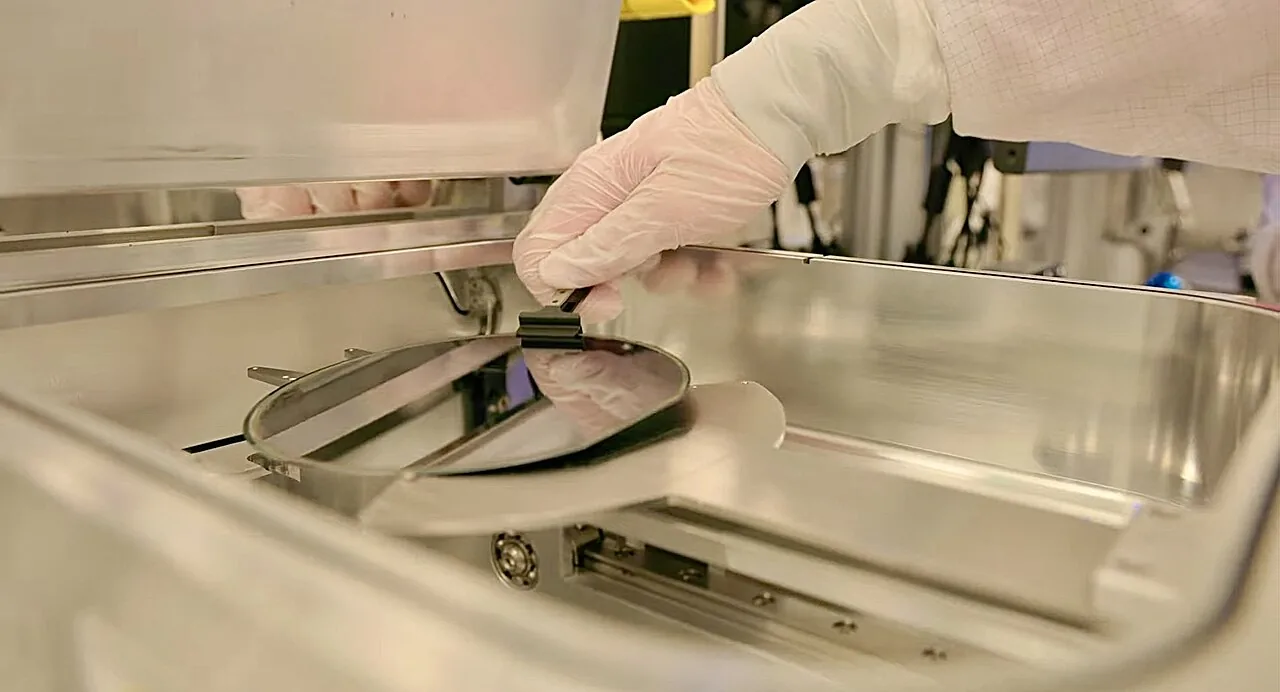
YouTube — Purdue Engineering · CC BY 4.0. Resized to WebP.
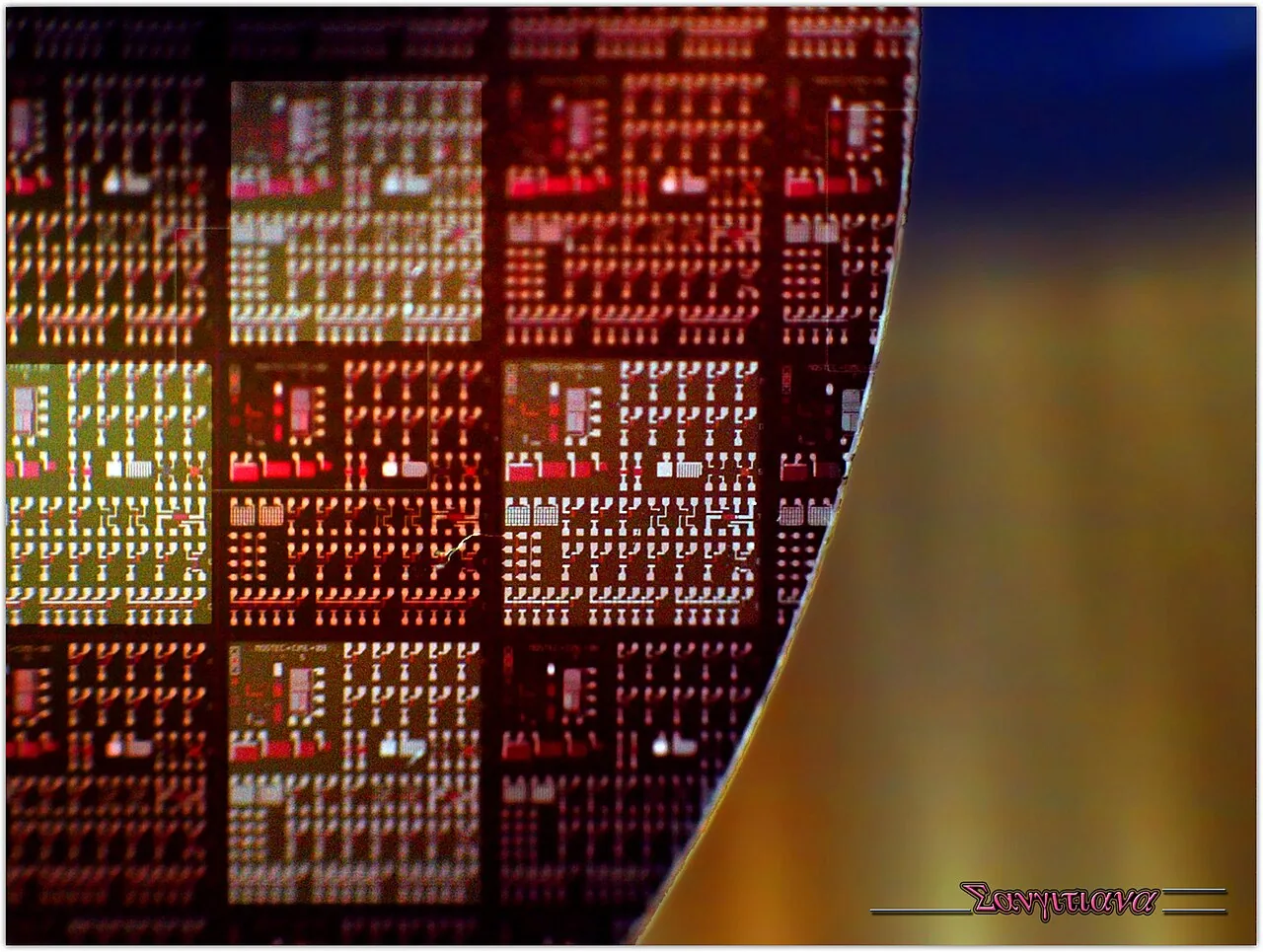
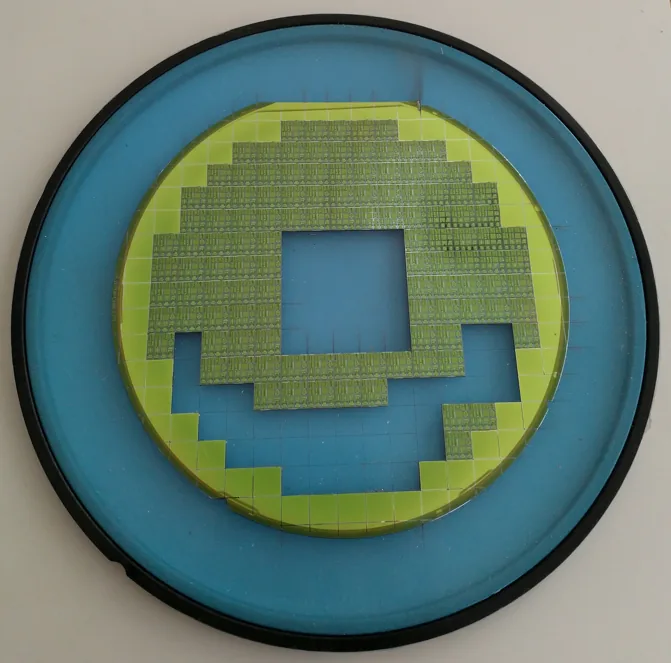
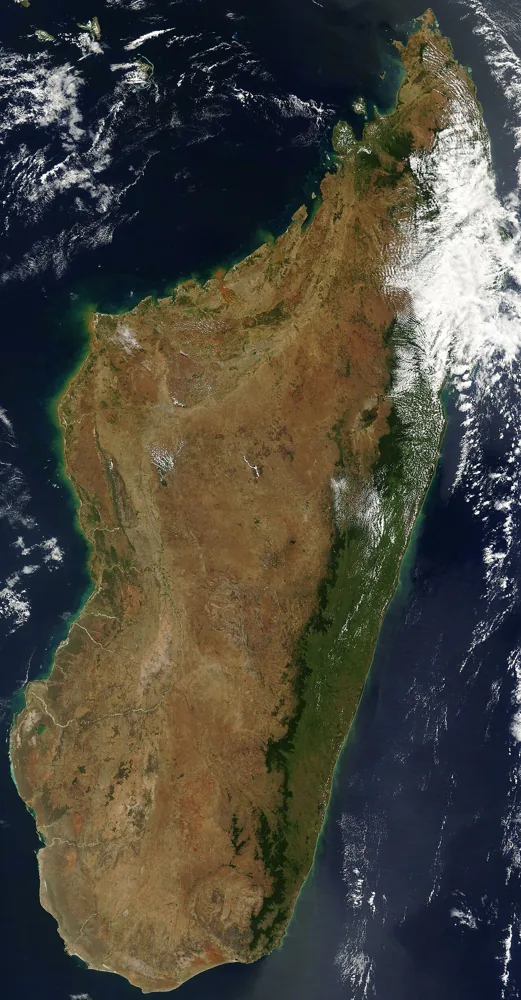
Unknown authorUnknown author · Public domain. Resized to WebP.
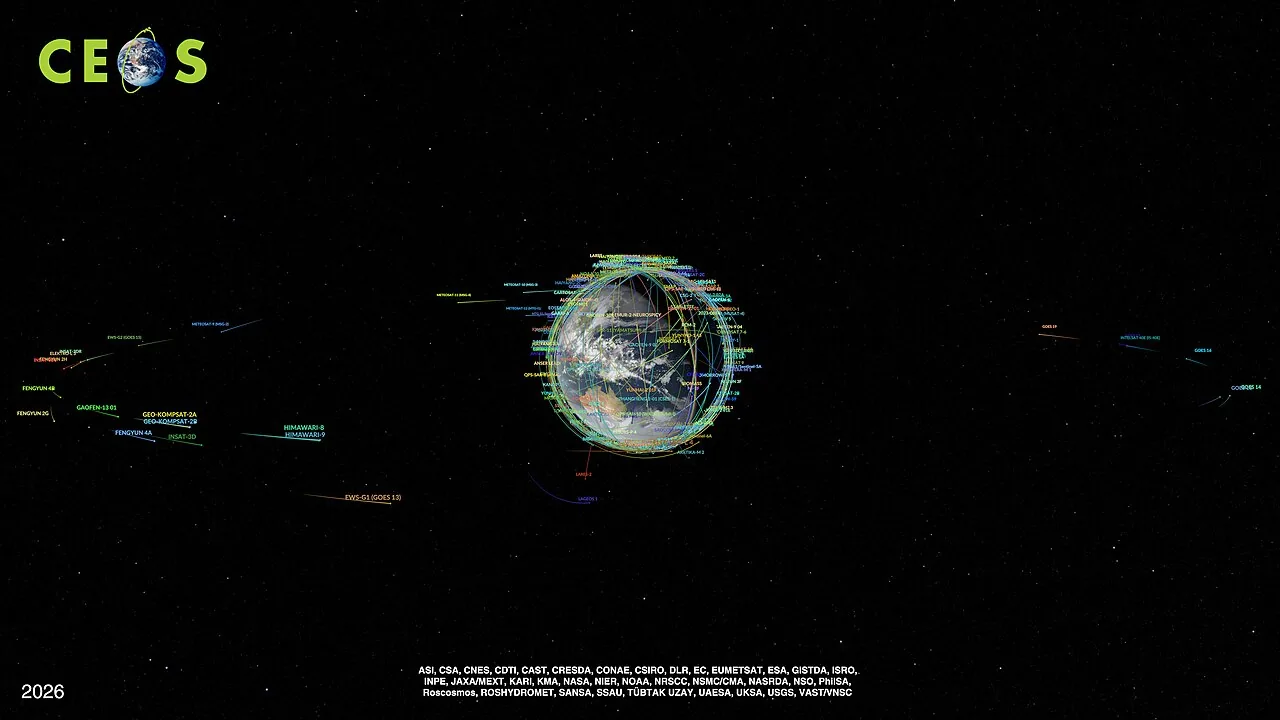
NASA's Scientific Visualization Studio - Science and Technology Corporation/Kel Elkins, NASA/David Borges, Symbios/Libby Rose · Public domain. Resized to WebP.
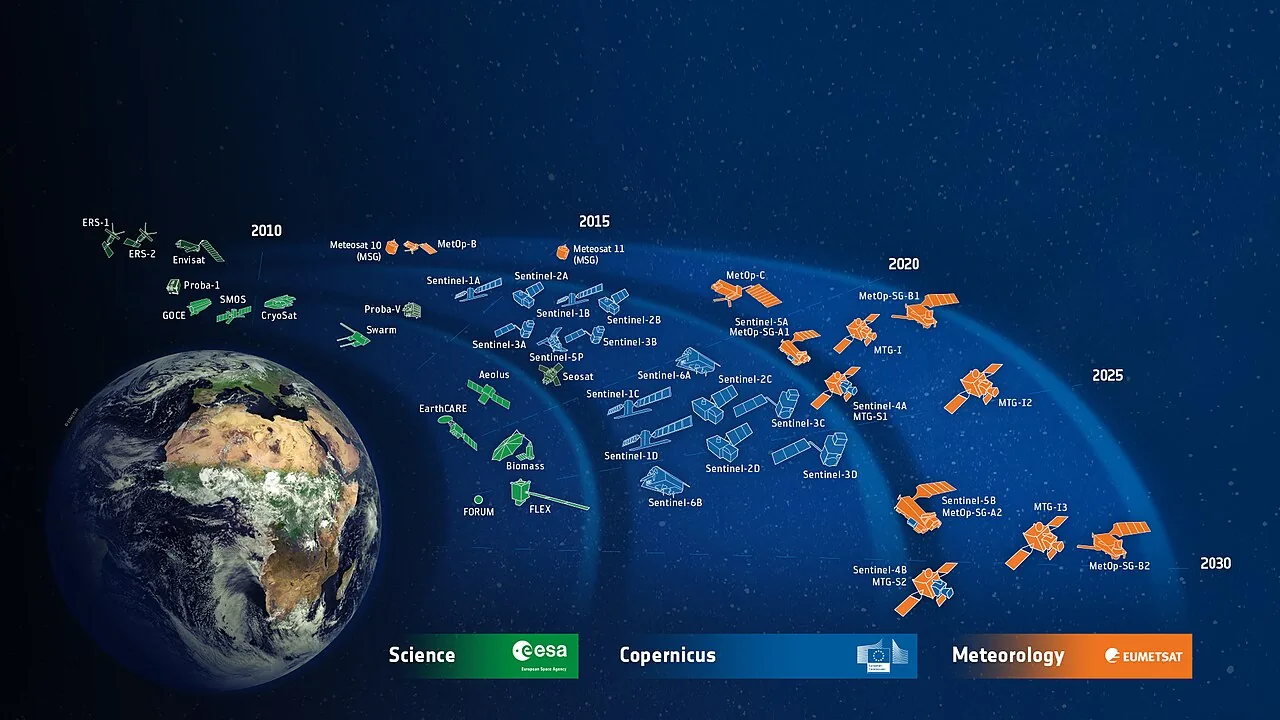
European Space Agency · CC BY-SA 3.0 igo. Resized to WebP.
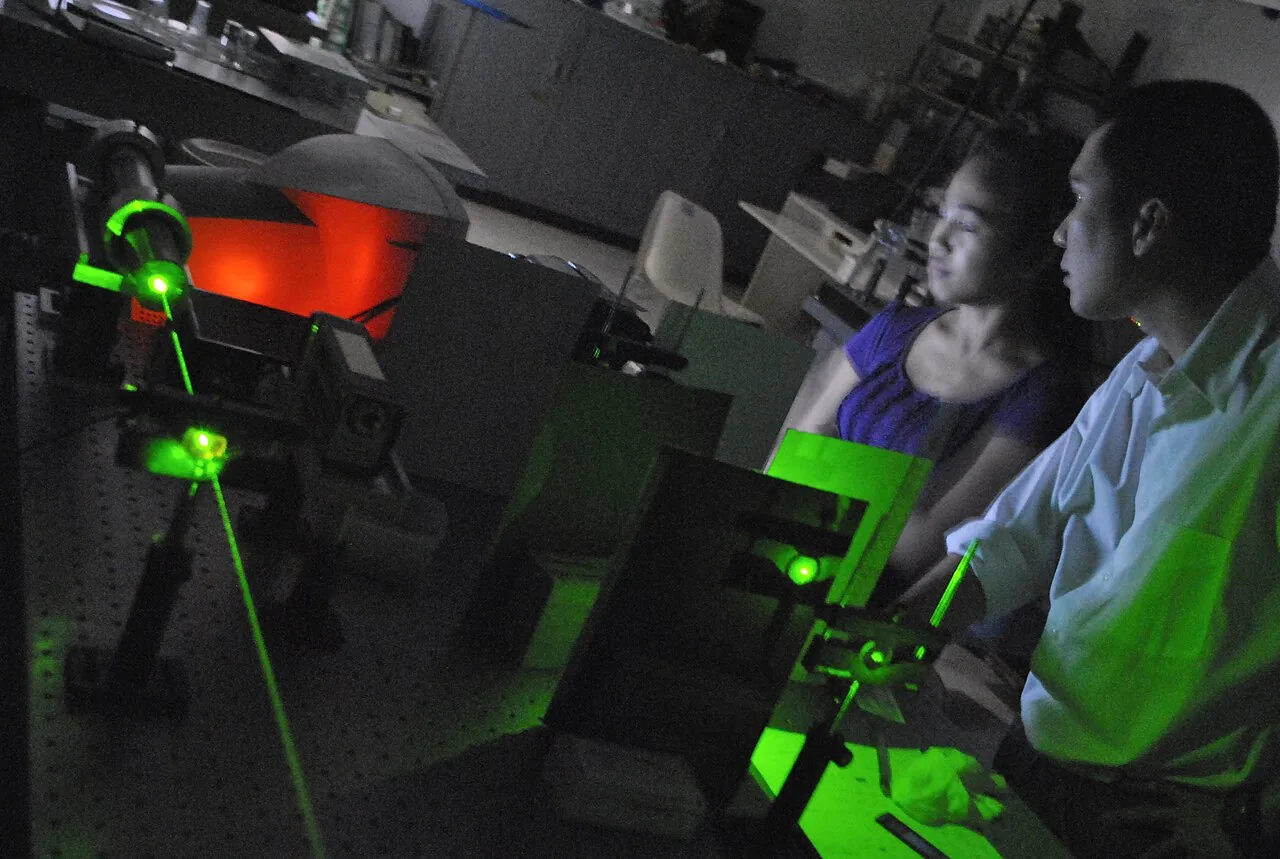
Physics Department Ateneo de Manila University · CC BY 2.0. Resized to WebP.
A NAME FOR THE NEXT GOOD QUESTION
Explore the domain behind this concept on NameLifter.


